Call or send us a text

Call or send us a text
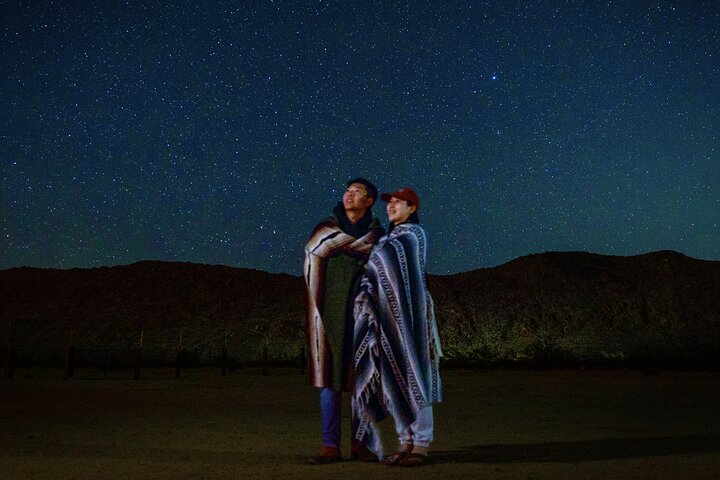
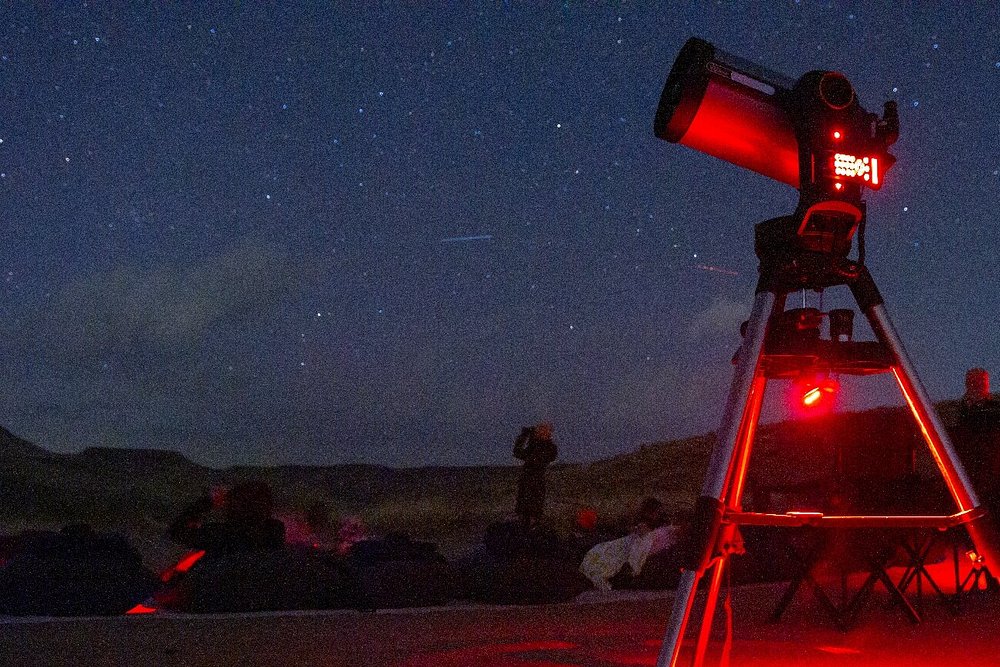
Stargazing in Joshua Tree is one of the best ways to experience the desert after sunset. Away from major city lights, the area offers expansive dark skies and excellent opportunities to see stars, planets, and the Milky Way. The quiet surroundings and open desert landscape make the experience even more memorable, with the park's unique rock formations creating a beautiful foreground beneath the night sky. Whether you're an experienced astronomy enthusiast or simply want to spend a peaceful evening outdoors, Joshua Tree offers a spectacular setting for looking up at the stars.
Stargazing in Joshua Tree is one of the best ways to experience the desert after sunset. Away from major city lights, the area offers expansive dark skies and excellent opportunities to see stars, planets, and the Milky Way.
Joshua Tree National Park is an International Dark Sky Park, making it a popular destination for astronomy enthusiasts and casual visitors alike. On clear, moonless nights, the Milky Way can be especially impressive against the park's rugged desert landscape.Popular areas such as Hidden Valley, Keys View, and Jumbo Rocks offer scenic settings for watching the night sky. You can simply find a comfortable spot, let your eyes adjust to the darkness, and enjoy the stars above the surrounding rock formations.
Bring a blanket, warm layers, and plenty of water, as desert temperatures can drop quickly after dark. A flashlight with a red-light setting can also help you move around while minimizing the impact on your night vision.
Clear, moonless nights generally provide the darkest skies and the best conditions for viewing stars. Checking the weather and moon phase before heading out can help you choose a better night for stargazing.
Late evening and nighttime can be especially peaceful once most daytime visitors have left the park. During colder months, make sure to bring additional layers because desert temperatures can fall significantly after sunset.
Stargazing can be enjoyed throughout Joshua Tree National Park, including designated viewpoints and quieter areas away from artificial lights. Hidden Valley, Keys View, and Jumbo Rocks are among the popular locations for enjoying the night sky.
If you're visiting after dark, plan your route in advance and check current park conditions. Follow park rules, stay aware of your surroundings, and avoid using bright lights unnecessarily.
Watching the Milky Way rise above Joshua Tree's distinctive landscape is an experience worth planning around. If you've already explored the park during the day, staying after sunset lets you experience a completely different side of the desert.
The combination of dark skies, quiet surroundings, and Joshua Tree's unusual rock formations makes an evening of stargazing a memorable addition to your trip.
Spend your evening under Joshua Tree's dark skies, enjoy the quiet desert atmosphere, and then return to your BearStay vacation rental for a peaceful night.
Planning your stay? Browse BearStay Joshua Tree vacation rentals.
Is Joshua Tree good for stargazing?
Yes. Its dark desert skies make it an excellent location for viewing stars and other celestial objects.
Can you see the Milky Way in Joshua Tree?
Yes. The Milky Way can be visible on clear, dark nights, particularly when there is little or no moonlight.
Where are good places to stargaze in Joshua Tree?
Hidden Valley, Keys View, and Jumbo Rocks are popular areas for enjoying the night sky.
What should you bring for nighttime stargazing?
Bring water, warm layers, a blanket or comfortable seating, and a flashlight with a red-light setting if possible.
What is the best time for stargazing in Joshua Tree?
Clear, moonless nights generally offer the darkest skies and best conditions for viewing stars.
Related: Things To Do in La Quinta · La Quinta Vacation Rentals · All BearStay Locations