Call or send us a text

Call or send us a text
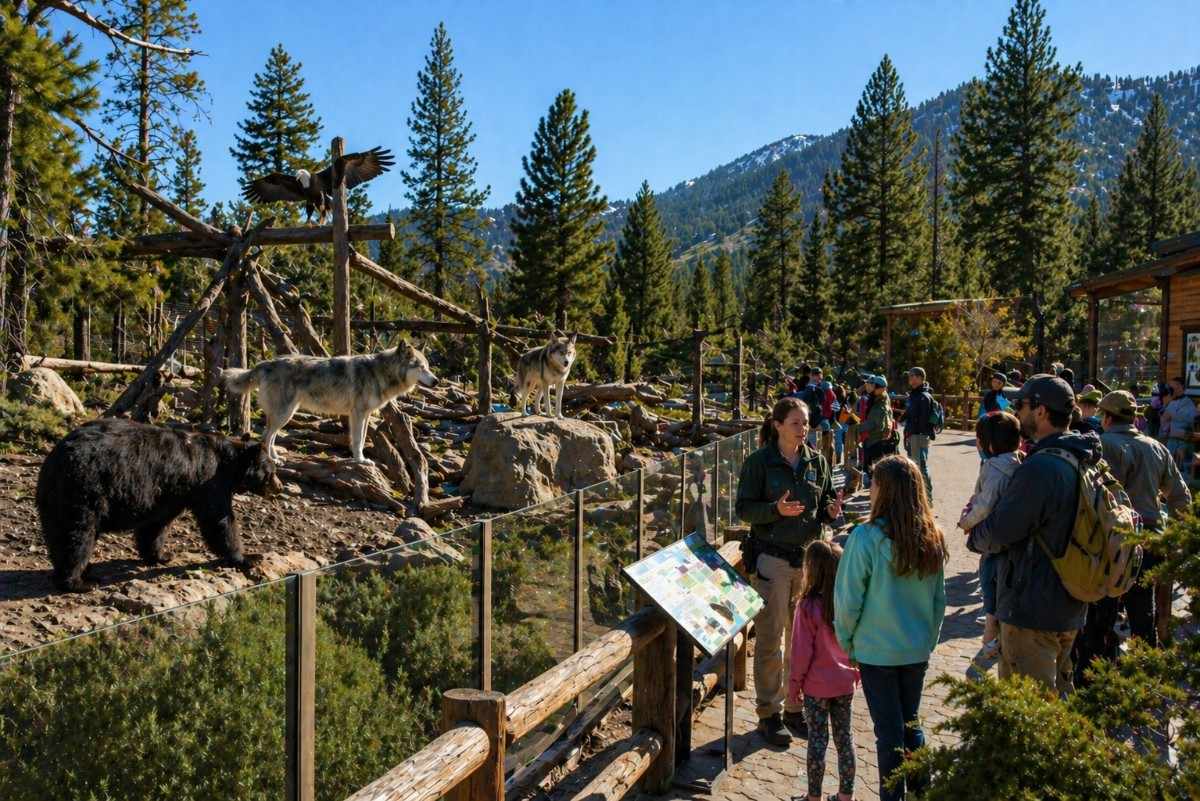
Wildlife rescue zoo.
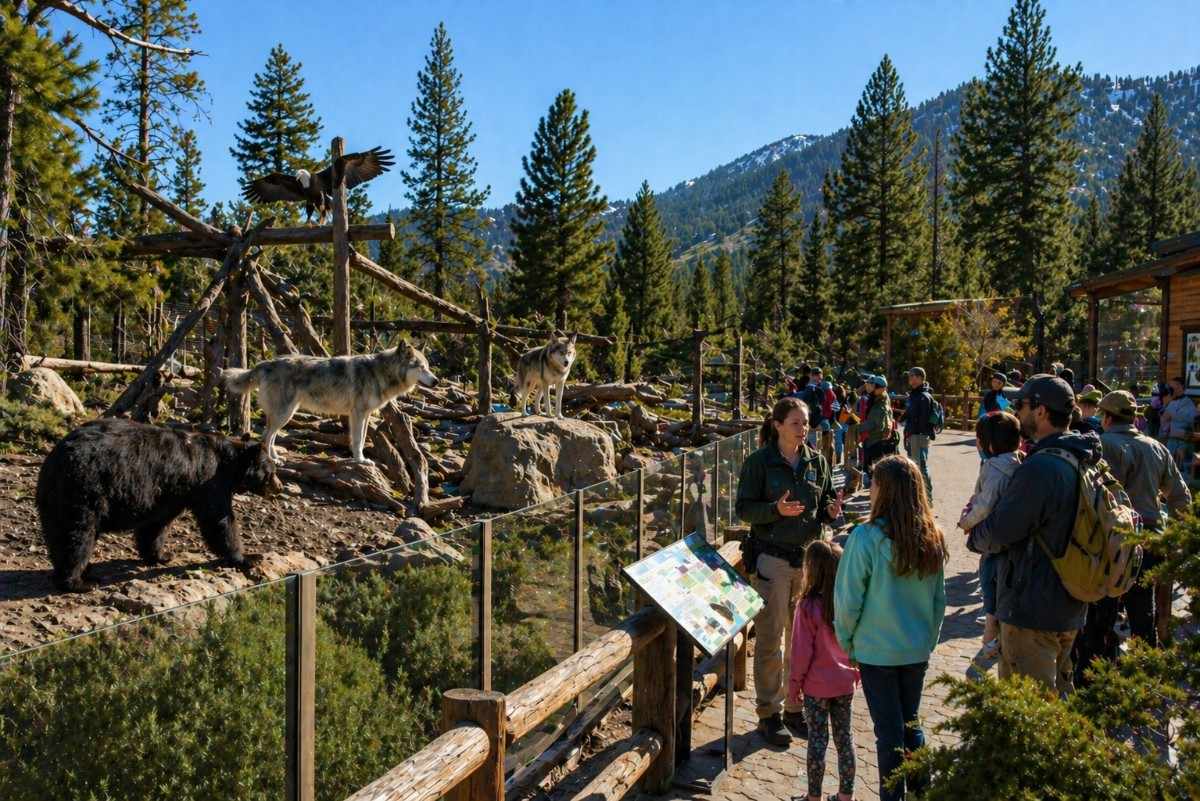
Big Bear Alpine Zoo is a wildlife rescue and rehabilitation center in Big Bear Lake, California, dedicated to caring for injured, orphaned, and displaced alpine wildlife. Founded in 1959 after wildfires in the San Bernardino Mountains, the zoo has grown into an important local conservation and educational attraction.
Unlike a traditional zoo, the facility focuses heavily on wildlife rehabilitation and conservation. Animals that can safely return to the wild are rehabilitated for release, while those unable to survive independently are provided permanent care. This makes a visit both an enjoyable wildlife experience and an opportunity to learn about protecting native mountain ecosystems.
Visitors can see a variety of animals associated with alpine and mountain environments, including black bears, mountain lions, wolves, and birds of prey. The exhibits give guests an opportunity to observe these animals while learning about their behavior, habitats, and the challenges they face in the wild.
The zoo's relatively intimate setting makes it easy to explore at a comfortable pace. Families can spend time viewing the animals while children learn more about wildlife rescue, rehabilitation, and the importance of protecting natural habitats.
One of the most distinctive aspects of Big Bear Alpine Zoo is its focus on rehabilitation. The facility provides care for animals that have been injured, orphaned, or otherwise become unable to survive safely in the wild.
Animals that cannot be released become permanent residents and help educate visitors about wildlife. This conservation-focused approach gives the attraction a deeper purpose beyond simply viewing animals and makes it a meaningful stop for anyone interested in nature and local wildlife.
Zoo hours and admission prices can vary by season, holidays, and special events. Check the current schedule and admission information before visiting, particularly if you're planning your trip around a specific day or activity.
Big Bear Alpine Zoo is located in Big Bear Lake and is easy to include in a day of exploring the surrounding mountain attractions. Parking is available for visitors, although the area can become busier during weekends, holidays, and peak vacation periods.
Allow enough time for parking and exploring the exhibits, especially when visiting with children or during busier periods.
Big Bear Alpine Zoo is a great choice when you want an activity that combines wildlife, education, and conservation. Seeing mountain animals up close while learning about their rehabilitation gives the experience more meaning than a typical zoo visit.
It's particularly appealing for families, nature lovers, and visitors looking for an educational activity between hiking, lake activities, and other Big Bear adventures.
Spend part of your Big Bear trip exploring the animals and conservation work at Big Bear Alpine Zoo, then return to your BearStay vacation rental to relax after a day of mountain adventures.
Planning your Big Bear getaway? Browse BearStay Big Bear vacation rentals and find a comfortable home base for exploring the area.
Related: Things To Do in Big Bear Lake · Big Bear Vacation Rentals · All BearStay Locations